7 UX Design Agencies in London That Put Users First
TL;DR: The best UX design agencies in London combine research, prototyping, and iterative testing to create digital products people actually want to use. This guide covers seven agencies with proven track records, plus what to look for when choosing a user experience partner for your business.
I’ve watched countless redesign projects fail. Not because the designers lacked talent, but because nobody bothered to ask users what they needed. A good UX design agency London business owners can trust starts with research, not assumptions. The agencies featured here have built reputations on that principle.
London’s digital scene hosts hundreds of agencies claiming UX expertise. Most offer it as an add-on service. Fewer make it their foundation. The difference matters when you’re investing five figures into a website or app that needs to convert visitors into customers.
What Does a UX Design Agency Actually Do?
A user experience design agency focuses on how people interact with digital products. This includes websites, mobile apps, software interfaces, and increasingly, voice and gesture-based systems.
Core services typically include:
- User research through interviews, surveys, and behavioural analysis
- Information architecture for logical content organisation
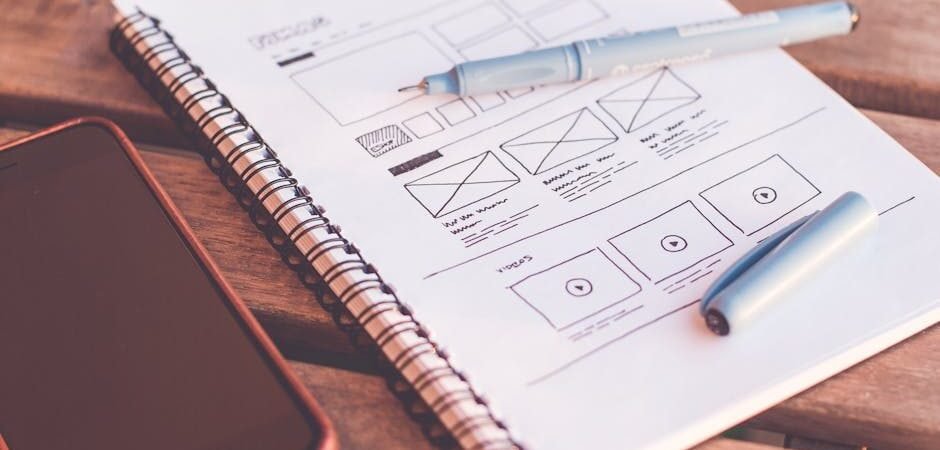
- Wireframing and interactive prototyping
- Usability testing with real users
- UI design that implements UX findings visually
According to Forrester Research, every pound invested in UX returns approximately £100. That figure gets cited constantly, but the reality depends entirely on execution quality.
How Do You Choose the Right UX Partner?
Finding the right UX design agency in London requires matching your project scope to an agency’s strengths. A fintech startup needs different expertise than an e-commerce retailer.
Consider these factors before shortlisting:
| Factor | Why It Matters |
|---|---|
| Industry experience | Sector-specific knowledge reduces research time and avoids common pitfalls |
| Research methodology | Agencies should explain their process clearly, not hide behind jargon |
| Case study depth | Look for measurable outcomes, not just pretty screenshots |
| Team structure | Dedicated UX researchers separate from visual designers indicates maturity |
| Post-launch support | UX is iterative; one-off projects rarely deliver optimal results |
I worked with a client last year who chose an agency purely on portfolio aesthetics. Six months later, they hired a different team to fix the conversion problems the first agency’s designs created.
Seven London Agencies With Strong UX Credentials
These agencies demonstrate genuine commitment to user-centred design through their methodologies, case studies, and client outcomes.
1. Full-Service Agencies With Dedicated UX Teams
Impression operates from London with a distinct conversion rate optimisation practice that relies heavily on UX research. Their approach combines quantitative analytics with qualitative user testing. For businesses needing UX integrated with broader digital marketing, this model works well.
Hallam Agency takes a similar integrated approach, offering UX design alongside SEO and paid media. Their web development projects start with discovery workshops that map user journeys before any visual design begins.
2. Specialist Digital Product Agencies
Series Eight focuses specifically on website design and development with UX methodology baked into their process. They’re smaller than many competitors, which typically means more senior involvement throughout projects.
BluBlu Studios specialises in visual design and motion graphics but grounds their work in user experience principles. Their strength lies in making complex interfaces feel intuitive through micro-interactions and thoughtful animation.
3. Performance-Focused UX Practitioners
Gripped targets B2B technology companies specifically. Their UX work focuses on lead generation and conversion optimisation rather than broad consumer applications. If you’re selling software or services to other businesses, that specialisation has value.
Koozai combines technical SEO expertise with conversion optimisation services. Their UX recommendations tend toward data-driven improvements rather than wholesale redesigns. That’s often more practical for established businesses.
4. Research-Heavy Methodology
Jellyfish operates at enterprise scale with dedicated user research capabilities. They’re one of the larger agencies on this list, which means more resources but potentially less flexibility for smaller projects.
What Should a UX Design Process Include?
A credible UX design process follows predictable stages, though terminology varies between agencies. Be wary of any agency that skips directly to visual design without foundational research.
- Discovery: Understanding business goals, user needs, and competitive landscape
- Research: Conducting interviews, surveys, analytics review, and competitor analysis
- Synthesis: Creating personas, journey maps, and identifying pain points
- Ideation: Exploring multiple solutions through workshops and sketching
- Prototyping: Building testable versions of proposed solutions
- Testing: Validating designs with real users before development
- Iteration: Refining based on test findings and stakeholder feedback
According to Nielsen Norman Group research, testing with just five users typically reveals 85% of usability problems. Agencies that don’t include testing in their standard process are cutting corners.
How Much Does UX Design Cost in London?
London UX design agencies typically charge between £80 and £200 per hour, depending on seniority and agency overhead. Project-based pricing varies enormously based on scope.
Expect these rough ranges:
- UX audit of existing site: £3,000 to £8,000
- Research and strategy phase: £5,000 to £15,000
- Full website UX and UI design: £15,000 to £50,000+
- Mobile app UX design: £20,000 to £80,000+
These figures represent mid-market agencies. Boutique specialists and large network agencies sit at opposite ends of the spectrum. Croud, for instance, operates at the larger end with enterprise-level pricing, while agencies like The Good Marketer cater to SMEs with more accessible budgets.
One caveat worth noting: the cheapest option rarely delivers the best ROI. Cutting corners on research means making assumptions, and assumptions about user behaviour are usually wrong.
What Questions Should You Ask Potential Agencies?
Before signing any proposal, these questions help separate genuine UX practitioners from agencies that simply added it to their service list.
- How do you balance business goals with user needs when they conflict?
- Can you walk me through your research methodology for a recent project?
- What happens when usability testing contradicts stakeholder preferences?
- How do you measure the success of your UX work post-launch?
- Who specifically will work on my project, and what’s their background?
Listen carefully to how agencies answer the conflict question. Good UX design involves difficult conversations about prioritisation. Agencies that promise to make everyone happy are avoiding reality.
When Does In-House UX Make More Sense?
Agencies aren’t always the right answer. Hiring in-house UX designers makes sense when you have continuous product development needs and sufficient design volume to justify salaries.
Agency partnerships work better for:
- One-off redesign projects
- Specialised research requiring expensive tools or recruiting
- Scaling capacity during peak periods
- Bringing external perspective to entrenched problems
Many businesses use hybrid models. In-house teams handle day-to-day design work while agencies like Reload Digital provide strategic support and additional capacity for major initiatives.
Common UX Project Pitfalls to Avoid
Having observed dozens of UX projects across different agencies, certain problems recur frequently.
Skipping stakeholder alignment: UX projects fail when internal teams disagree about goals. Good agencies facilitate alignment workshops before research begins.
Treating UX as a phase: User experience should influence decisions throughout development, not just during a discrete design stage.
Ignoring accessibility: WCAG compliance isn’t optional. It’s a legal requirement under the Equality Act 2010, and it improves usability for everyone.
Over-relying on competitor analysis: Copying what competitors do means copying their mistakes too. Primary research with your actual users matters more.
Key Takeaways for Choosing a UX Design Agency
- Prioritise agencies with documented research methodologies over those selling aesthetics alone
- Request case studies showing measurable business outcomes, not just visual portfolios
- Verify that dedicated UX researchers work alongside visual designers
- Budget for post-launch iteration since initial designs rarely perform optimally
- Ask difficult questions about how agencies handle conflicts between data and opinions
The right UX design agency in London will challenge your assumptions, occasionally tell you things you don’t want to hear, and ultimately create digital products that serve both your users and your business goals. Finding that partner takes time, but the investment pays dividends.